



When it comes to testing for vitamin B12 deficiency, relying solely on serum B12 levels in the blood may not provide an accurate picture of one’s B12 status. Two cases of young, strictly vegetarian individuals who suffered strokes highlight the importance of B12 supplementation to prevent high homocysteine levels, which can contribute to cardiovascular issues.
While plant-based diets offer several health benefits, including lower risks of heart disease, stroke, and obesity, inadequate B12 supplementation can negate these advantages. Vegetarians and vegans, in particular, may be at risk of B12 deficiency due to their diet choices.
It is essential to understand that symptoms of B12 deficiency can be subtle and easily missed, leading to metabolic B12 deficiency before clinical symptoms manifest. Routine testing for B12 status through measures such as methylmalonic acid (MMA) or homocysteine levels can provide a more accurate assessment of functional B12 status compared to serum B12 levels.
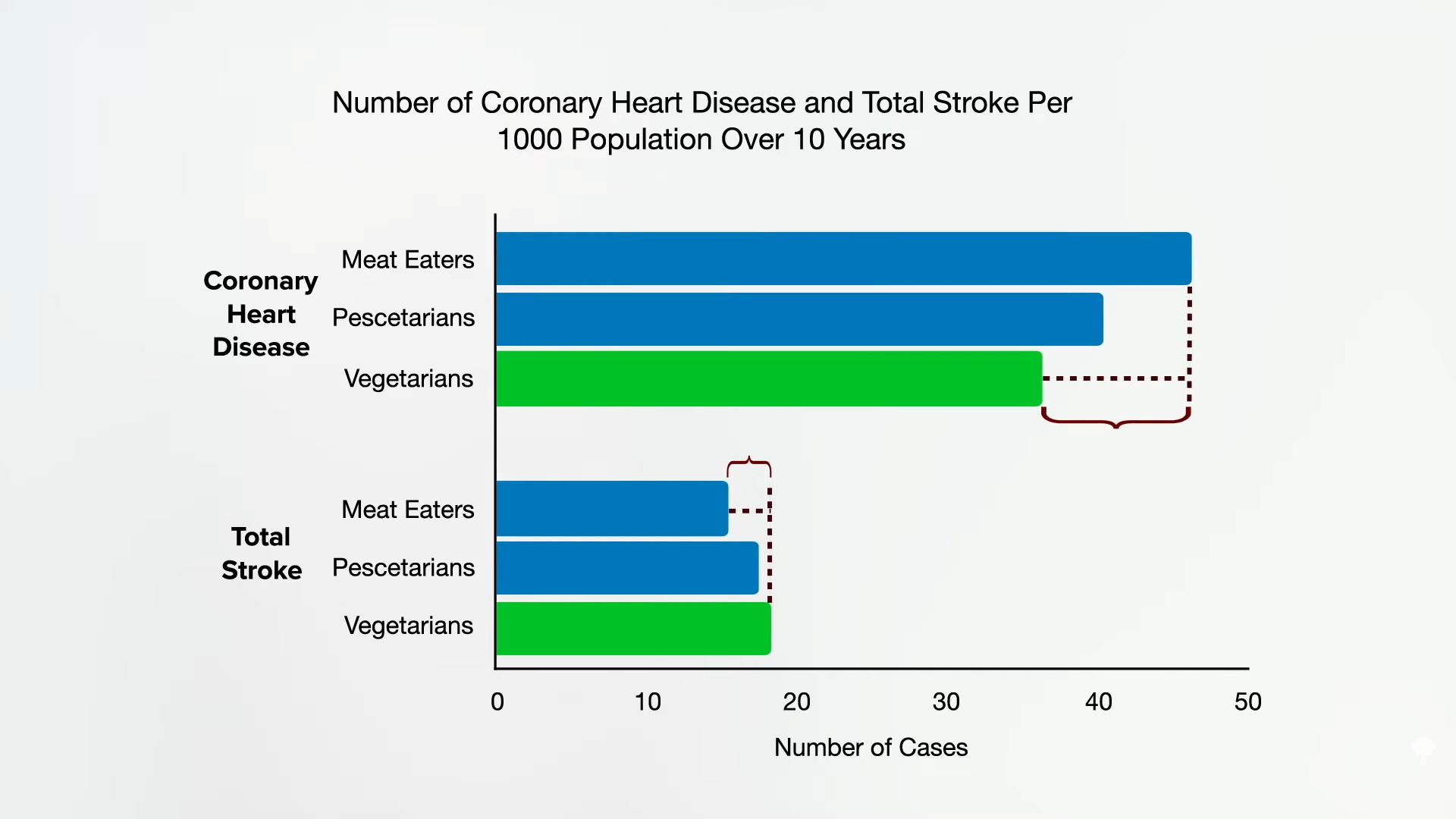
Functional B12 deficiency may be more prevalent than previously assumed, affecting a significant portion of the population, especially vegetarians and vegans. Regular monitoring of B12 status and supplementation, when necessary, can help mitigate the risks associated with deficiency.
While rare cases of B12 deficiency may not be detectable through standard tests, ensuring adequate B12 intake remains crucial for overall health. If homocysteine levels remain high despite supplementation, further interventions may be warranted to address the issue effectively.
Explore the full series on B12 deficiency and related topics to gain a comprehensive understanding of the importance of B12 in a plant-based diet. Stay informed and proactive in managing your B12 status for optimal health and well-being.


